5 min read

Arizona Monsoon Roof Checklist: What to Inspect Before, During, and After Storm Season

Arizona Monsoon Roof Checklist: What to Inspect Before, During, and After Storm Season

HomeAzul Blog Arizona Monsoon Roof Checklist: What to Inspect Before, During, and After Storm Season

Arizona homeowners know that monsoon season can arrive fast and leave a trail of damage behind. High winds, driving rain, blowing dust, and flying debris can put even a well-built roof to the test. This year, some meteorologists are also forecasting the potential for above-average monsoon rainfall associated with a developing El Niño weather pattern, making roof maintenance and inspections even more important.

Arizona homeowners know that monsoon season can arrive fast and leave a trail of damage behind. High winds, driving rain, blowing dust, and flying debris can put even a well-built roof to the test. This year, some meteorologists are also forecasting the potential for above-average monsoon rainfall associated with a developing El Niño weather pattern, making roof maintenance and inspections even more important.

Most homeowners don't think much about their roof until they discover a leak. Unfortunately, by that point, a small issue may have already become a costly repair. A little preparation before monsoon season, awareness during major storms, and a thorough inspection afterward can go a long way toward protecting your home and extending the life of your roof.

At Azul Roofing Solutions, we believe roof maintenance should be proactive, not reactive. That's why we're sharing a few practical tips to help Arizona homeowners identify potential roofing concerns before monsoon season arrives. A little preparation now, combined with ongoing awareness throughout the season, can help prevent minor issues from becoming costly repairs. Here's what to look for before, during, and after monsoon season to help protect your home.

Before Monsoon Season: Prepare Your Roof for Storms

The best time to address roofing concerns is before the first major storm arrives.

Inspect Roof Tiles

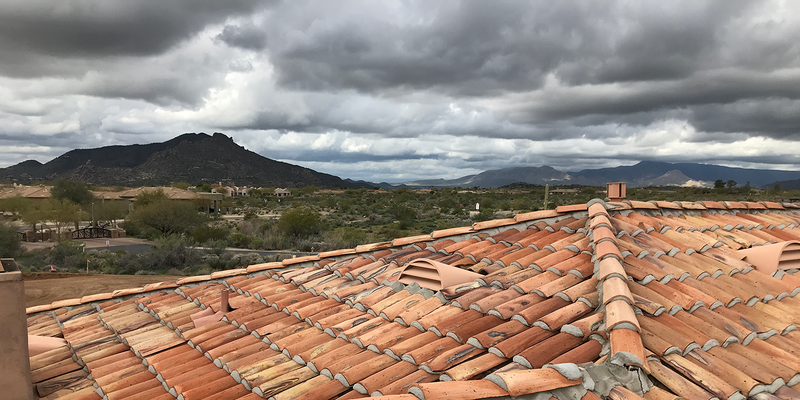
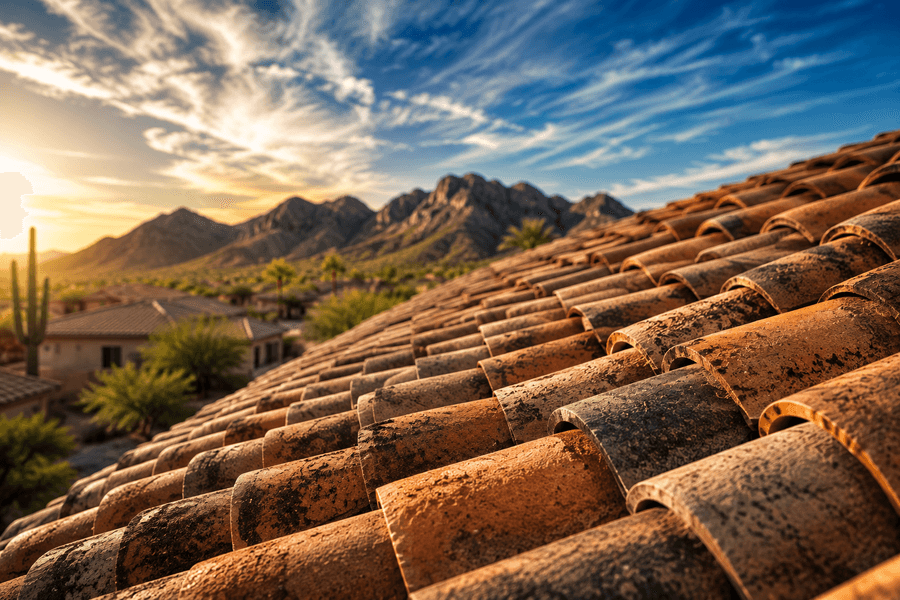
Arizona tile roofs are designed to withstand harsh weather, but cracked, broken, or slipped tiles can leave the underlayment exposed to the elements. Walk around your home and look for visible damage from the ground. If you notice missing or displaced tiles, schedule an inspection before storm season kicks into high gear.

Read: How Long with a Tile Roof Last in Arizona

Check Roof Flashing

Flashing is the thin metal material installed around roof penetrations and transitions to help direct water away from vulnerable areas. You'll commonly find flashing around plumbing vents, skylights, chimneys, roof-to-wall intersections, and solar mounting attachments. Its job is to create a watertight barrier where roofing materials alone cannot fully seal against moisture.

From the ground, homeowners can often spot obvious signs of flashing problems, including loose metal, lifted edges, rust, missing sealant, or gaps around roof penetrations. While flashing may seem like a small component of your roofing system, damaged or deteriorated flashing is one of the most common causes of roof leaks because it protects some of the roof's most vulnerable areas.

Remove Debris

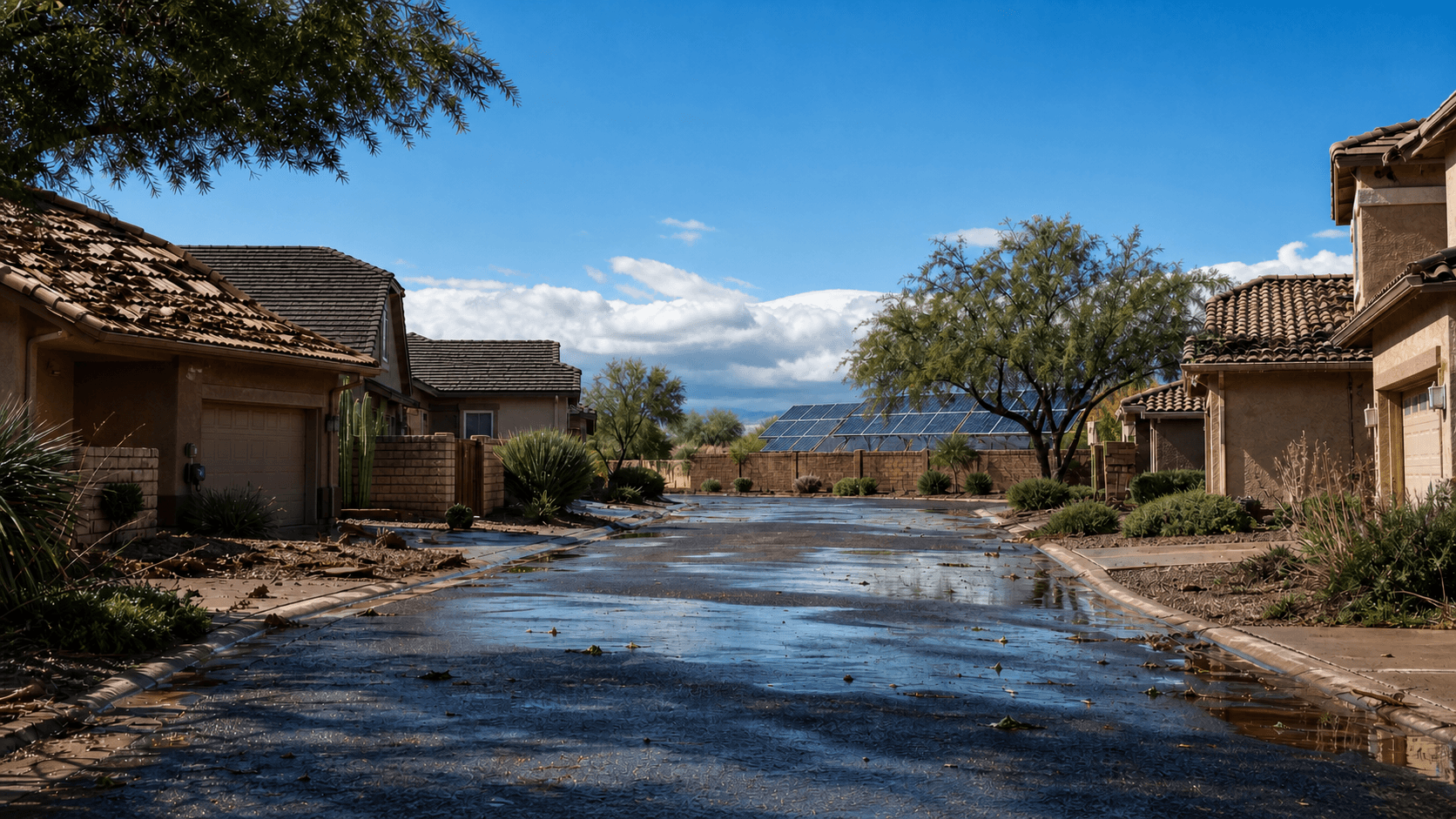
Leaves, branches, and accumulated debris can trap moisture and prevent proper drainage. Pay special attention to roof valleys, drainage channels, and flat roof sections where debris tends to collect.

Homeowners should also watch for excessive bird droppings and nesting debris on the roof or around solar panels. In addition to being unsightly, bird activity can contribute to clogged drainage paths, accelerate deterioration of certain roofing materials, and signal that birds may be nesting on or beneath the roof. If left unchecked, nesting birds can create ongoing maintenance issues and potentially lead to more significant roof and solar system damage over time. If bird activity has become a recurring problem, professional bird-proofing solutions may help protect both your roof and your investment.

Trim Overhanging Trees

Monsoon winds can turn tree limbs into damaging projectiles. Trimming branches away from your roof can help reduce the risk of impact damage while also limiting the amount of leaves, twigs, and debris that accumulate on the roof before, during, and after a storm.

Just as importantly, water needs a clear path to drain from your roof. When debris blocks drainage channels, valleys, scuppers, or gutters, water can begin to pool where it shouldn't. Over time, that trapped moisture can work its way beneath roofing materials, damage underlayment, and eventually lead to leaks and structural damage.

Inspect Your Attic

If accessible, take a quick look inside your attic. Water stains, dark spots, or signs of previous moisture intrusion may indicate existing roofing issues that should be addressed before heavy rains arrive.

CTA: Schedule a Complimentary Roof Inspection

During Monsoon Season: Watch for Warning Signs

When storms are actively moving through the Valley, safety should always come first. Avoid climbing onto your roof during or immediately after storms.

Instead, keep an eye out for these warning signs:

New Water Stains

Brown stains on ceilings or walls often indicate water intrusion. Even small stains can signal a larger roofing issue.

Dripping Around Penetrations

Pay attention to skylights, light fixtures, vents, and other roof penetrations. These areas are often the first to show signs of leakage.

Missing or Displaced Tiles

After high-wind events, walk around your property and look for roof tiles that may have shifted or fallen.

Overflowing Gutters or Drainage Areas

Water that cannot drain properly can lead to ponding and increase the likelihood of roof damage.

Unusual Noises

Rattling, banging, or other unusual sounds during wind events may indicate loose roofing components that require attention.

If you suspect damage, take photos from a safe location and schedule a professional inspection.

After Monsoon Season: Inspect Closely for Hidden Damage

Many roofing problems don't become obvious until weeks or months after a storm has passed. A post-season inspection can help identify issues before they worsen. Catching a small issue today can help prevent a much larger expense tomorrow.

Check for Damaged Tiles

Look for cracked, chipped, or displaced tiles that may have resulted from wind or debris impacts.

Examine Flashing and Sealants

Wind and temperature fluctuations can loosen flashing and deteriorate sealants around penetrations. These small failures can eventually lead to leaks.

Inspect Flat Roof Areas

Flat and low-slope roofs should be checked for signs of ponding water, membrane damage, or coating deterioration.

Look for Fascia and Soffit Damage

High winds and moisture can damage roof edges and trim components. These areas are important for protecting your home's structure and ventilation.

Check the Attic Again

A post-monsoon attic inspection may reveal leaks that were not previously visible from inside the living space.

Watch for Bird and Pest Activity

Storms can create new openings that attract birds, rodents, and other pests. Nesting activity around roof penetrations or beneath solar panels can lead to additional damage if left unaddressed.

Read: Bird Proofing Done Right: Why Every Home Needs a Custom Solution

Why Annual Roof Inspections Matter

Many homeowners are surprised to learn that the source of a roof leak often starts as a minor issue that goes unnoticed for months or even years. Arizona's extreme heat, combined with monsoon wind and rain, can accelerate wear on roofing materials and expose vulnerabilities that may not be visible from the ground.

A professional roof inspection can help identify damaged tiles, deteriorated underlayment, flashing concerns, drainage issues, and other potential problems before they result in costly repairs.

At Azul Roofing Solutions, we prefer to inspect every roof before recommending repairs or replacement. Rather than providing one-size-fits-all solutions, we take the time to identify the most important issues and recommend the best approach for your home's needs, goals, and budget.

Schedule Your Monsoon Roof Inspection

Whether you're preparing for monsoon season or want peace of mind after a major storm, Azul Roofing Solutions can help. Our experienced team provides comprehensive roof inspections for tile, shingle, foam, flat, and solar-equipped roofs throughout Arizona.

A small roofing issue today can become a much larger problem during the next storm. An inspection now may help you avoid costly surprises later.

Frequently Asked Questions 

Arizona Monsoon Roof Checklist: What to Inspect Before, During, and After Storm Season

Arizona Monsoon Roof Checklist: What to Inspect Before, During, and After Storm Season

Home / Azul Blog / Arizona Monsoon Roof Checklist: What to Inspect Before, During, and After Storm Season Arizona homeowners know that monsoon season can arrive fast and leave a trail of damage behind. High...

Read More
Bird Proofing Done Right: Why Every Home Needs a Custom Solution

Bird Proofing Done Right: Why Every Home Needs a Custom Solution

Home / Azul Blog / Bird Proofing Done Right: Why Every Home Needs a Custom Solution If you've ever heard scratching in your attic, found nesting materials in your eaves, droppings on your...

Read More
Do Roof Vents Improve Energy Efficiency in Arizona Homes?

Do Roof Vents Improve Energy Efficiency in Arizona Homes?

Home / Azul Blog / Do Roof Vents Improve Energy Efficiency in Arizona Homes? A Homeowner’s Guide to Roof Ventilation in Arizona If you’ve ever stepped into your attic during an...

Read More